
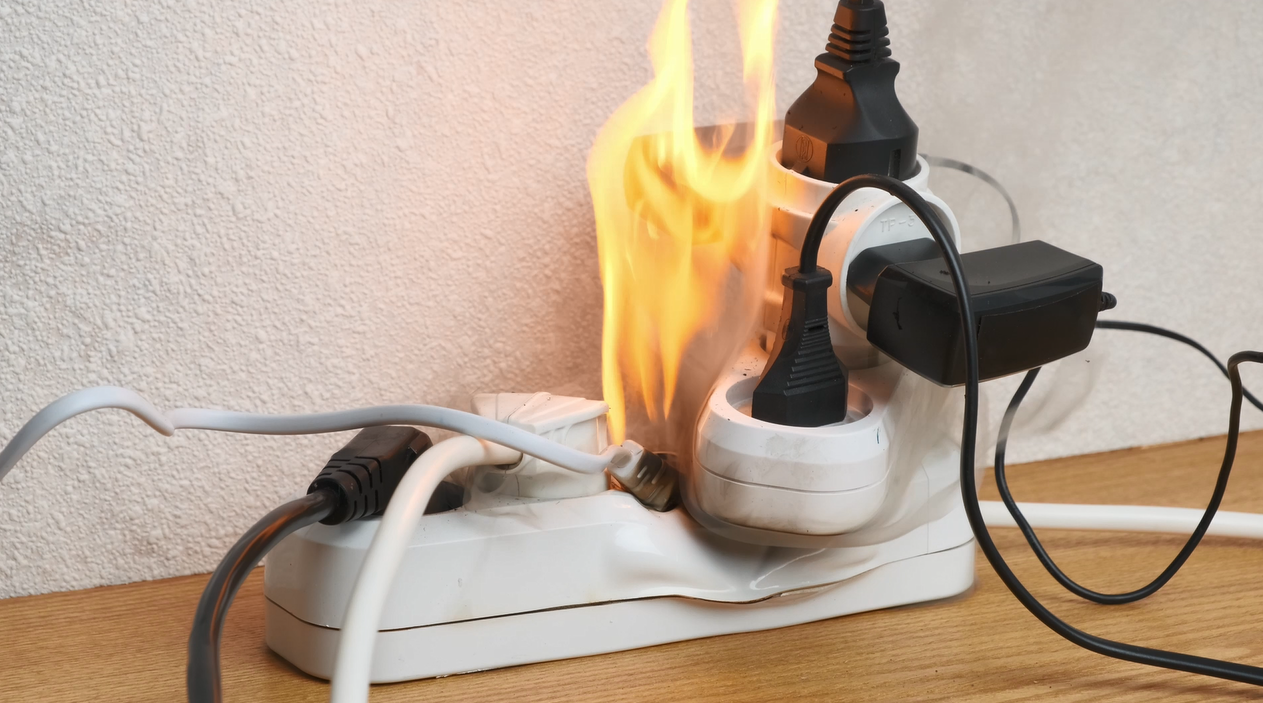
Winter brings colder temperatures, longer nights, and greater use of heating appliances. In many parts of Pakistan, families and businesses rely on gas heaters, electric heaters, wood-burning stoves, coal braziers, generators, and other equipment to stay warm or maintain essential services.
These everyday activities can introduce fire hazards when equipment is damaged, used incorrectly, or placed too close to combustible materials. Poor ventilation can also create a serious risk of carbon monoxide poisoning, particularly when fuel-burning appliances are used indoors.
Understanding winter fire hazards does not require advanced technical knowledge. Simple precautions, regular equipment checks, and a clear emergency plan can help protect people and property.
A suitable fire alarm system in Pakistan can provide early warning when a fire is detected. However, alarms are only one part of a complete safety plan. Safe heating, electrical maintenance, ventilation, suitable firefighting equipment, and clear escape routes are equally important.
This beginner-friendly guide explains common winter fire hazards, how to reduce them, and what families and businesses should know in Pakistan.
1. Why Fire Hazards Increase During Winter
Winter often changes how people use their homes and workplaces.
Heating appliances may run for longer periods, doors and windows may remain closed, and people may use alternative heat sources during power outages. Businesses may also operate generators or additional electrical equipment.
These changes can increase exposure to certain hazards.
Common winter fire risks include:
- Portable electric heaters
- Gas heaters and other fuel-burning appliances
- Coal or wood-burning stoves
- Overloaded electrical sockets
- Generators and backup power equipment
- Candles and open flames during power cuts
- Combustible materials placed near heaters
- Poorly maintained chimneys or vents
- Unsafe fuel storage
The risk depends on the equipment, the building, and how people use it. A safe winter routine starts with identifying which hazards are present and taking steps to control them.
2. Use Electric Heaters Safely
Electric heaters can provide convenient warmth, but they can become dangerous when they overheat, tip over, or come into contact with combustible materials.
A heater may ignite nearby curtains, bedding, clothing, paper, or furniture if it is placed too close to them.
Follow these precautions:
- Place the heater on a stable, level surface.
- Keep it at least 3 feet (about 1 metre) from combustible materials, unless the manufacturer’s instructions require a greater distance.
- Plug an electric heater directly into a suitable wall outlet.
- Avoid using extension cords or power strips for portable heaters.
- Keep cables away from rugs and walking paths.
- Do not cover the heater.
- Turn it off when leaving the room or going to sleep, unless the equipment’s specific safety instructions and approved installation provide otherwise.
- Stop using damaged or malfunctioning equipment.
The US Consumer Product Safety Commission recommends keeping portable heaters at least three feet from combustible materials and plugging electric heaters directly into wall outlets rather than extension cords or power strips.
Important: Never use a heater with damaged wiring, a loose plug, or signs of overheating.
3. Be Careful With Gas Heaters
Gas heaters are used in many homes and workplaces during colder weather. However, faulty appliances, damaged connections, poor ventilation, and incorrect operation can create serious risks.
Fuel-burning heaters can produce carbon monoxide (CO), a poisonous gas that cannot be seen or smelled. Exposure can cause illness or death.
The US Environmental Protection Agency warns against using fuel-burning appliances in poorly ventilated or closed rooms, especially while sleeping.
Gas heater safety checklist
- Use only equipment intended for the location and purpose.
- Follow the manufacturer’s instructions.
- Have appliances installed and maintained by qualified professionals.
- Keep required ventilation openings clear.
- Do not use outdoor heaters indoors.
- Never use a gas oven or cooking stove as a room heater.
- Do not sleep in a room with an unsafe or improperly vented fuel-burning heater.
- Stop using equipment that shows signs of damage or malfunction.
If you smell gas or suspect a leak, leave the area immediately. Avoid flames and do not operate electrical switches or devices inside the affected area. Contact the relevant gas emergency service from a safe location.
4. Never Burn Charcoal Indoors
Charcoal braziers and similar open-fire devices may be used for warmth in some households. However, burning charcoal indoors can produce dangerous amounts of carbon monoxide.
Opening a window or door does not make indoor charcoal burning safe.
The US Centers for Disease Control and Prevention warns that burning charcoal indoors can produce carbon monoxide, including when the charcoal appears to be burning normally.
Avoid these practices:
- Burning charcoal in bedrooms
- Using a brazier in a closed living room
- Burning charcoal in a garage
- Using outdoor grills indoors
- Bringing glowing charcoal inside after outdoor use
Use safer heating alternatives intended for indoor environments and follow their instructions.
5. Keep Generators Outdoors
Power outages can lead families and businesses to use backup generators for heating, lighting, refrigeration, and other essential needs.
Generators create both fire and carbon monoxide hazards.
Fuel can ignite if stored or handled incorrectly, while generator exhaust can cause fatal carbon monoxide poisoning.
Generator safety rules
- Operate portable fuel-powered generators outdoors only.
- Keep them at least 20 feet (about 6 metres) from buildings, doors, windows, and vents where feasible, following the manufacturer’s instructions and local requirements.
- Direct exhaust away from occupied buildings.
- Never operate a generator inside a home, garage, basement, shed, or enclosed space.
- Do not refuel a running or hot generator.
- Keep fuel in suitable approved containers and store it safely.
- Keep generators away from combustible materials.
- Protect equipment from rain and water according to its instructions.
- Use suitable electrical connections and qualified installation for permanent backup systems.
The US Environmental Protection Agency and Consumer Product Safety Commission advise operating portable generators outdoors and away from buildings because of carbon monoxide and electrical hazards.
A generator should never be used as an indoor heating device.
6. Avoid Overloading Electrical Sockets
During winter, households may use several high-power appliances at the same time.
Electric heaters, kettles, irons, refrigerators, and other equipment can place significant demands on electrical circuits.
Overloading or using damaged wiring can cause overheating and may contribute to a fire.
Reduce electrical risks by:
- Avoiding multiple high-power appliances on one extension board.
- Checking plugs and cables for damage.
- Keeping electrical connections dry.
- Replacing damaged sockets.
- Avoiding makeshift wiring.
- Keeping electrical panels accessible.
- Having recurring electrical faults investigated.
- Using qualified electricians for repairs or upgrades.
Do not ignore burning smells, sparks, unusually hot plugs, or repeated circuit-breaker trips.
If an electrical appliance appears unsafe, stop using it and arrange professional inspection.
7. Keep Blankets, Curtains, and Clothing Away From Heat
Winter clothing and bedding can be highly combustible.
Heaters are sometimes placed beside beds, sofas, or drying clothes because these locations feel convenient. This can create a fire hazard.
Keep heaters away from:
- Blankets
- Bedsheets
- Curtains
- Clothing
- Upholstered furniture
- Paper and cardboard
- Plastic packaging
- Other combustible objects
Never drape clothing over a heater unless the appliance is specifically designed for that purpose.
If you need to dry clothes, use a safe drying location away from heating equipment and open flames.
8. Use Candles Carefully During Power Outages
Power cuts can lead people to use candles for lighting.
Candles can ignite nearby materials if they tip over or are left unattended.
Whenever possible, use battery-powered torches or lanterns instead.
If candles are used:
- Place them on stable, heat-resistant surfaces.
- Keep them away from curtains and paper.
- Keep them out of children’s reach.
- Never leave them unattended.
- Extinguish them before sleeping or leaving the room.
- Keep matches and lighters stored safely.
The US Consumer Product Safety Commission recommends using flashlights or battery-operated lanterns instead of candles during power outages.
9. Understand Carbon Monoxide Poisoning
Carbon monoxide is particularly important during winter because people may use fuel-burning appliances more frequently and keep windows closed.
CO is colourless and odourless, so people cannot reliably detect it using their senses.
Possible symptoms include:
- Headache
- Dizziness
- Weakness
- Nausea
- Vomiting
- Confusion
- Chest discomfort
These symptoms can have other causes, but if they occur while a fuel-burning appliance is operating, carbon monoxide exposure should be considered.
The US Fire Administration explains that carbon monoxide can be produced when fuel-burning equipment is not functioning or vented properly.
What to do if CO exposure is suspected
- Get everyone outside into fresh air immediately.
- Do not remain inside to investigate.
- Contact emergency services from a safe location.
- Seek urgent medical attention for anyone who may have been exposed.
- Do not re-enter until the location has been declared safe by qualified responders.
Where appropriate, install and maintain carbon monoxide alarms according to the manufacturer’s instructions and applicable requirements.
A smoke alarm does not necessarily detect carbon monoxide. Use the correct type of alarm for each hazard.
10. Inspect Heating Equipment Before Winter
Heating equipment should be checked before regular winter use.
Faulty burners, damaged cables, blocked vents, or poorly maintained components can increase the risk of fire or carbon monoxide exposure.
Before using heating equipment:
- Inspect visible cables and connections.
- Check for damage or unusual smells.
- Ensure ventilation openings are clear.
- Confirm that the equipment is suitable for the room.
- Follow the manufacturer’s maintenance instructions.
- Arrange professional servicing where required.
- Stop using equipment that appears unsafe.
For fuel-burning heating systems, professional inspection and maintenance are particularly important.
The US Consumer Product Safety Commission recommends annual professional inspection of fuel-burning heating systems, including furnaces, boilers, fireplaces, chimneys, and vents.
11. Store Fuel Safely
Some households and businesses store fuel for generators or other equipment.
Fuel can ignite if it is exposed to flames, sparks, hot surfaces, or unsafe storage conditions.
Basic fuel-storage precautions
- Use suitable, approved containers.
- Follow local storage rules and manufacturer guidance.
- Keep fuel away from heaters and open flames.
- Avoid storing fuel in living areas.
- Prevent leaks and spills.
- Keep containers properly closed.
- Keep fuel away from children.
- Do not refuel hot equipment.
Businesses that store larger quantities of fuel or flammable liquids should obtain professional advice about suitable storage arrangements, fire protection, and applicable requirements.
12. Install a Suitable Fire Alarm System
Even when people take precautions, fires can still occur because of equipment failure, accidents, or unexpected events.
Early warning helps occupants recognize danger and begin evacuation.
A fire alarm system in Pakistan may include smoke detectors, heat detectors, manual call points, alarm sounders, visual indicators, and control equipment, depending on the building’s design and requirements.
Consider these points:
- Is detection suitable for the building’s fire risks?
- Can people hear or otherwise receive the alarm?
- Are detectors installed in appropriate locations?
- Are alarm devices maintained?
- Do occupants understand what the alarm means?
- Is there a clear evacuation procedure?
The Pakistan Engineering Council’s Building Code of Pakistan – Fire Safety Provisions 2016 includes requirements for fire alarm systems in specified building conditions and occupancies. The applicable provisions should be checked for the particular property.
A fire alarm system does not prevent every fire, but it can provide an important warning layer.
13. Test Alarms and Maintain Fire Protection Equipment
Fire alarms, smoke detectors, extinguishers, and other equipment need regular attention.
A device that is damaged, disconnected, or poorly maintained may not perform as expected during an emergency.
Maintenance should include:
- Testing alarms according to manufacturer instructions.
- Replacing batteries or components as required.
- Investigating repeated false alarms.
- Checking extinguishers according to their maintenance schedule.
- Keeping equipment visible and accessible.
- Maintaining inspection and service records.
- Arranging professional servicing where required.
The Pakistan Building Code addresses inspection, testing, and maintenance of fire protection systems and related records.
Do not disable an alarm simply because it sounds inconvenient. Investigate the cause and arrange corrective action.
14. Keep Escape Routes Clear
A fire can spread quickly, and winter conditions may make evacuation more difficult if people are wearing heavy clothing or moving through cluttered spaces.
Keep the way out clear throughout the season.
Check that:
- Doors can open easily.
- Corridors are free from stored items.
- Stairways are unobstructed.
- Emergency exits are clearly identified.
- Fire doors are not propped open.
- Outdoor meeting points are known.
- Everyone understands the evacuation plan.
The Pakistan Building Code addresses means of egress and safe evacuation as part of its fire-safety provisions.
If you live or work in a multi-storey building, identify the approved escape routes and follow the building’s emergency instructions.
15. Take Extra Care of Children and Older Adults
Children and older adults may need additional help during a fire emergency.
Children may not understand the danger, while some older adults may have difficulty hearing alarms, moving quickly, or using stairs.
Families should:
- Keep heaters away from children’s play areas.
- Store matches and lighters safely.
- Explain basic fire-safety rules.
- Make sure alarms can be heard or otherwise noticed.
- Keep walking routes clear.
- Identify who will assist anyone needing help.
- Practice the escape plan together.
Avoid assuming that every family member can evacuate in the same way.
A realistic plan should reflect the needs and abilities of everyone who lives in the home.
16. Winter Fire Safety for Offices and Businesses
Winter fire hazards also affect commercial properties.
Offices, shops, restaurants, workshops, and warehouses may use heaters, generators, additional electrical equipment, and temporary power arrangements.
Business owners should review winter risks before the cold season begins.
Workplace checklist
- Inspect heaters and electrical equipment.
- Keep heaters away from stock, curtains, and furniture.
- Avoid overloaded extension boards.
- Keep combustible waste away from heat sources.
- Store fuel and flammable materials appropriately.
- Keep fire alarm systems operational.
- Inspect fire extinguishers and other equipment.
- Keep emergency exits clear.
- Train staff on evacuation procedures.
- Review generator placement and operation.
- Keep maintenance records.
If a business changes its layout, adds equipment, or increases storage, its fire-safety arrangements should be reviewed.
17. Prepare for Winter Power Outages
Power outages can disrupt heating, lighting, communications, and essential equipment.
A practical winter emergency plan should include safe alternatives rather than improvised heating methods.
Consider preparing:
- Battery-powered torches
- Spare batteries
- A charged mobile phone or suitable power bank
- Warm clothing and blankets
- Emergency contact information
- A family evacuation plan
- Safe backup power arrangements
- Essential supplies
Pakistan’s NDMA winter contingency planning includes preparedness measures such as backup power, emergency supplies, evacuation planning, and attention to carbon monoxide risks associated with traditional heating methods.
Never use an outdoor cooking or heating appliance indoors simply because electricity is unavailable.
Winter Fire Safety Checklist
Use this quick review before and during the winter season.
Heating and electrical safety
- Heaters are suitable and in good condition.
- Combustible materials are kept away from heaters.
- Electric heaters use suitable wall outlets.
- Gas appliances are maintained.
- Ventilation openings are clear.
- Electrical faults are repaired by qualified professionals.
Fire and carbon monoxide detection
- Smoke alarms are installed where appropriate.
- Fire alarm systems are maintained.
- Carbon monoxide alarms are considered where fuel-burning appliances create a risk.
- Alarms are tested according to instructions.
- Everyone knows what to do when an alarm sounds.
Emergency preparedness
- Escape routes are clear.
- Everyone knows the meeting point.
- Fire extinguishers are accessible where appropriate.
- Children and older adults have suitable assistance plans.
- Generator arrangements are safe.
- Emergency contacts are available.
Fire Safety in Pakistan: What Should You Know?
Pakistan’s Building Code of Pakistan – Fire Safety Provisions 2016 provides a framework for fire and life safety in buildings. It addresses subjects such as fire alarm systems, means of egress, fire protection, and maintenance responsibilities. The Pakistan Engineering Council lists the Code among its building codes and standards.
The National Disaster Management Authority also publishes winter preparedness guidance. Its winter contingency planning addresses backup power, emergency supplies, evacuation planning, and precautions related to traditional heating methods and carbon monoxide.
Specific fire-safety requirements can vary depending on the building’s size, occupancy, design, location, and the relevant Authority Having Jurisdiction. Homeowners and business operators should check the requirements that apply to their property and seek qualified advice for significant installations or modifications.
For information about fire-protection equipment and solutions, you can visit Flame Defender.
Final Thoughts
Winter fire hazards are often connected to everyday activities: using heaters, cooking, charging electrical equipment, operating generators, and lighting rooms during power outages.
The safest approach is to prepare before winter arrives. Inspect heating equipment, maintain electrical installations, keep combustible materials away from heat, avoid unsafe indoor fuel burning, and make sure everyone understands the emergency plan.
A suitable fire alarm system in Pakistan can provide an important early warning, but it should be part of a broader safety strategy that includes prevention, detection, evacuation, and maintenance.
Remember these five principles:
- Heat safely.
- Keep fuel and combustible materials controlled.
- Never use generators or charcoal indoors.
- Maintain alarms and fire protection equipment.
- Know how to evacuate.
Simple, consistent precautions can help make homes and workplaces safer throughout the winter season.
FAQs
1. What are the most common winter fire hazards?
Common winter hazards include portable heaters, gas appliances, overloaded electrical sockets, generators, candles during power outages, and combustible materials placed too close to heat sources.
2. Can I use a charcoal brazier indoors during winter?
No. Burning charcoal indoors can produce dangerous carbon monoxide, even when windows or doors are open. Use heating equipment designed for safe indoor use instead.
3. How can I use an electric heater safely?
Place it on a stable surface, keep it at least three feet from combustible materials, plug it directly into a suitable wall outlet, and follow the manufacturer’s instructions. Do not use damaged heaters or leave them operating unattended.
4. Why is a fire alarm system important in Pakistan during winter?
A suitable fire alarm system can provide early warning if a fire is detected. This can help occupants recognize danger and begin evacuation. The system should be appropriate for the building and maintained according to applicable requirements.
5. What should I do if I suspect carbon monoxide poisoning?
Move everyone outside into fresh air immediately, contact emergency services from a safe location, and seek urgent medical attention for anyone who may have been exposed. Do not re-enter until qualified responders confirm it is safe.